Chapter 7
Citizens Navigating in Literate
Worlds
The Case of digital Literacy
By: Ola Erstad
Quote - “The problem with this Basic
Skills approach is that technology changes all the time, and it is difficult to
develop standardizations that will last over time. And, as expressed by young
people, handling the technology is something you explore and learn when needed
(Erstad, 2007).” Page 100
I chose this
from the chapter because in my opinion it made so much sense and I agree with the quote. Why? Because when
student, teacher or anyone wants to learn about a new program or game it takes
time to get involved in it and learn it. The same would apply to technology
literacy we need basic skills like searching for what are looking for or basic
skills to maneuver through using specific software.
In order to
be good at it you first have to spend time learning how to use a program or
software, then you have to learn the basics on how to apply it in application. For
example when Facebook first came out it was considered the newest and best thing
in social media it was in sane. Everyone was on Facebook learning how to search
for friends and family, integrating music and pictures to create a pretty impressive
covers, it was the new gateway of communicating with others all over the globe.
This took time and effort. All this happened before even before there was appropriate
policy and procedure for ethical Facebook language. Loss of interest before any
standardization has been put in place.
Today many
young people have moved on to twitter, or something else yet Facebook is still
building ways to continue its engaging process for the young audience. Is it
optional, I would say yes digital media and its use among the young people is
optional not everyone finds pleasure in investing countless hours on a social
media site when they can do something else? And according to young people themselves,
digital media are used very differently in schools and for many of them there
should be a difference between there school, home, and community.
I suppose
that is why they are pretty good multi-taskers. They do it all and at the same
time not wasting too much time on any one thing.
Chapter 8
Beyond Google and the “Satisficing”
Searching of Digital Natives
By: Gregor E. Kennedy and Terry s.
Judd
Quote – “In
Line with Eistenberg (2008) defines information literacy as “the set of skills
and knowledge that allows us to find, evaluate, and use the information we
need, as well as to filter out the information we don’t need” Page 123.
We already
know this by past experience with technology, what I found to be interesting about
Eistenburg was his concept of his big six model.
1. Task
Definition which mean to define the problem then identify the
information needed.
2. Information
seeking strategies that begin with determining all possible sources and
selecting the best ones. To google or not to google, Wikipedia a good source or
not. What is appropriate for seeking good informational sources?
3. Location
and Access having a clear understanding on how to locate sources and being
able to find information within sources.
4. Use
of Information to engage (e.g., read, hear, view) and extract relevant
information.
5. Synthesis
the ability to organize information from multiple sources and present the information
or findings.
6. Evaluation
the process we use to Judge
the result and its (effectiveness).
These are
all important for critical thinking and are key competencies of literacy skills
that are expected of graduate students. But the questions remains how do teachers
apply this for student being taught in First and Secondary education.
This is
important in order to prepare students for college readiness and 21st
Century learning. This is not education as we know it to be, but education that
keeps evolving as digital media continues to advance with ongoing change.
For some a familiar
plan but for the in experienced educators a learning challenge.
Chapter 9
Actual and Perceived Online
Participation among Young People in Sweden
By: Sheila Zimic and Rolf Dalin
Quote – “ It is interesting that political, governmental, and society information
appear to be important for young people in order to feel part of the
information society, which is a traditional, or according to Carpentier
(2007),a minimalistic approach to defining participation.” Page 146
Students and adults use different
types of media when it comes to their political, governmental, and society
information. It’s all about how they want to participate, it could be social
media, newspaper online, or TV. A
personal preference for the individual.
As a member of former Delegate Mike
Manypenny I remember the young Democrats taking information to twitter and
messenger to get Mikes activities on line as they happened. While our local newspaper
kept up with stories as best as they could weekly. What I did learn during
Mikes Campaign was there were a lot more young people involved and wanting to
get involve in his platform.
I wonder if social and digital media
had anything to do with it. It’s possible that because of the accessibility in
the way young people can now participate via technology more and more young
political and social entrepreneurs are engaging in politics and government. Look as one of our new house of delegate Saira
Blair who is only 18.

Saira Blair
It is my opinion the responsibility for developing digital literacy is that of parent, teachers, and student. We all have a part to play and to do it well and effectively it must be done as a collaborative effort. This will evolve learning in school, at home and in a community environment that will promote digital literacy in a healthy way.
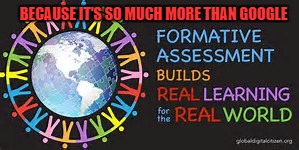
I chose this picture for my Meme because it is right on target with our readings. It so much more then just social media and digital media. Its about a clear understanding on how to build a literacy application that teacher and student can both learn to use in a educational and social and personal environment.
